
Summary:
If the at-fault driver has no insurance in Mississippi, an injured person may have options through their own uninsured motorist coverage, depending on the policy. They may also pursue the at-fault driver personally, although collecting compensation can be difficult. A personal injury attorney can review the available options and circumstances.
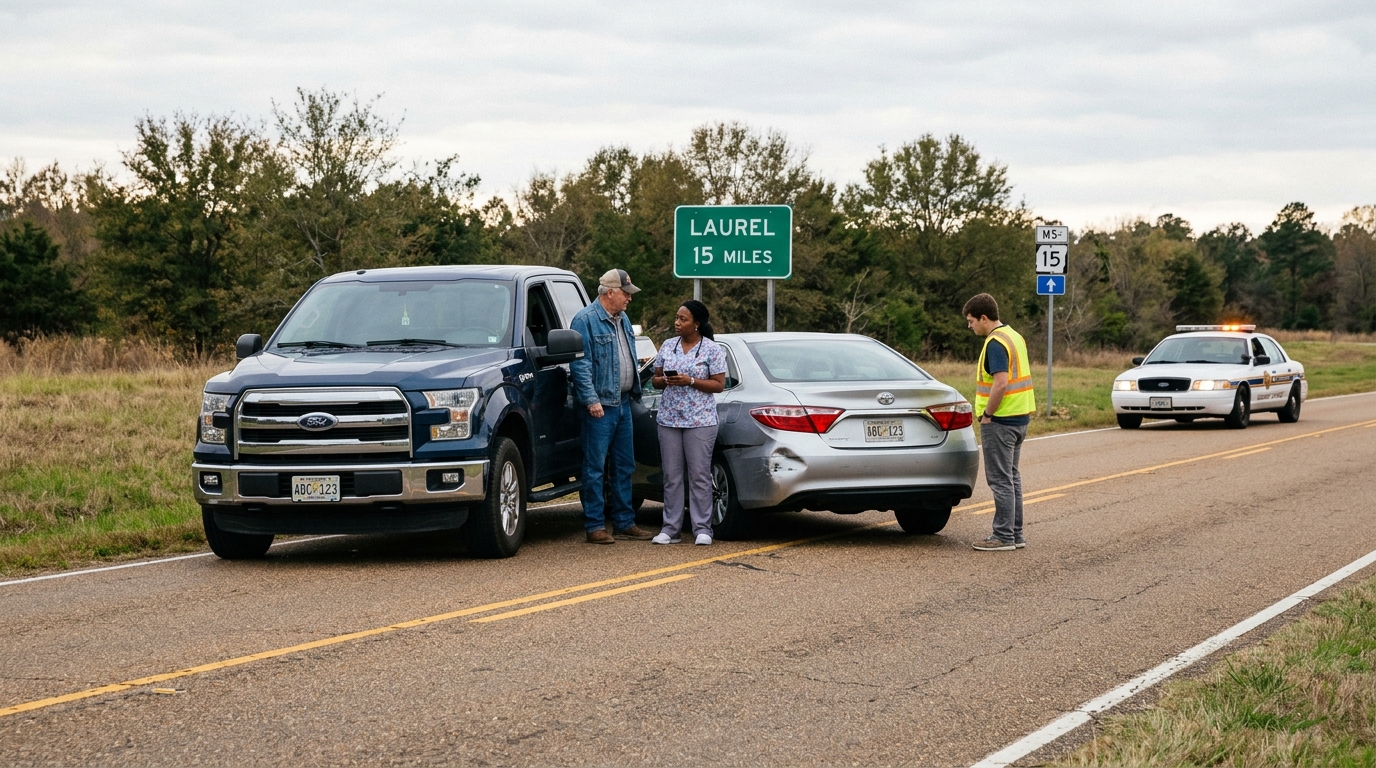
You stopped at the red light, you wore your seat belt, and someone still struck your car from behind. Then the other driver admits there is no insurance. That moment leaves many people stunned, worried about medical bills, and unsure who will pay for repairs. In Mississippi, it also happens more often than in any other state.
This guide explains how an uninsured driver accident claim in Mississippi works, which steps protect your health, and which options may help you recover what the crash cost you.
Why Uninsured Drivers Are So Common in Mississippi
The Insurance Research Council reported that 28.2% of Mississippi drivers were uninsured in 2023, the highest rate in the nation. The national average that year was 15.4%. Researchers link these differences between states to economic conditions, insurance costs, and state insurance laws.
Even a driver who does carry insurance may carry very little. Mississippi’s financial responsibility law mandates minimum liability limits of $25,000 for injury to one person, $50,000 for injury to two or more people in a single accident. A serious injury can cost far more than those limits, which is one reason your own coverage matters so much.
What Happens If the At-Fault Driver Has No Insurance?
The other driver remains legally responsible for the harm caused, but a lawsuit alone may not produce payment. Your own policy, the evidence you collect, and the deadlines that apply decide how much you can recover.
Mississippi generally bases accident claims on fault, meaning the driver who caused the crash may be held responsible for the resulting damages. That rule gives you a right to pursue compensation, even though collecting it takes more planning when the driver has no coverage.
Immediate Steps to Take After the Crash
What you do in the first hours and days can strengthen or weaken a later claim. These steps help protect both your health and your evidence.
1. Check for Injuries and Call 911
Your health comes first. Call 911 immediately, and accept a medical evaluation at the scene when paramedics offer one. Adrenaline can hide pain, so an injury that feels minor in the first hour may become serious by the next morning.
2. Ask the Police to Create a Report
Request that an officer come to the scene and file a report, even when the damage looks small. The report records the date, location, drivers, and the officer’s findings, and your insurer will ask for it. If the other driver cannot show proof of insurance, the report documents that fact.
3. Collect Evidence Before You Leave
Photograph both vehicles, the road, traffic signs, and your injuries. Write down the other driver’s name, license number, plate number, and contact details, plus the names of any witnesses. Dashcam footage and nearby business cameras can also help, so note any that may have recorded the crash.
4. Get Medical Care without Delay
See a doctor and follow every treatment instruction. Consistent medical documentation can help establish that your injuries resulted from the accident, while missed appointments or interrupted care may lead insurers to question the cause of your symptoms. Keep every bill, prescription receipt, and discharge paper in one folder.
5. Notify Your Own Insurance Company
Report the crash to your insurer promptly, because most policies set notice requirements. Tell the adjuster that the other driver was uninsured so the claim is opened under the correct coverage. Stick to basic facts and avoid guessing about fault or the extent of your injuries.
6. Be Careful with Recorded Statements
Soon after the accident, the insurer may contact you to obtain a recorded account of what happened. Your words can later be used to dispute the size of your claim, so consider speaking with a lawyer before you agree. You can share the facts of the crash while declining to speculate about your recovery.
How Uninsured Motorist Coverage Works in Mississippi
Uninsured motorist coverage, often called UM coverage, is part of your own auto policy and pays you when an at-fault driver cannot. Under Mississippi Code Section 83-11-101, an auto liability policy issued in the state must include this coverage unless the named insured rejects it in writing. The law requires the rejection to be written, so your policy documents will show if you signed one.
What the Statute Allows You to Choose
The Mississippi uninsured motorist law lets you increase your UM limits up to the same level as your bodily injury liability limits. Higher limits cost more, but they matter when injuries are severe and medical bills climb quickly. Stacking rules also matter.
Under Mississippi’s uninsured motorist rules, insurers may offer a non-stacking option on policies that cover four or more vehicles, with minimum limits of four times the state liability minimums, or $100,000 per person and $200,000 per accident for bodily injury.
When the Driver Cannot Be Identified
Hit-and-run crashes create a separate problem. When the owner or operator of the other vehicle is unknown, Mississippi’s statute generally requires actual physical contact between that vehicle and you or your property before UM coverage applies. Report the crash to the police right away and describe the contact in detail.
When the At-Fault Driver’s Insurer Cannot Pay
UM coverage can also apply when the at-fault driver’s insurer denies coverage or becomes insolvent. Ask your insurer if your policy also addresses drivers whose limits fall short of your losses, because the answer shapes your next steps.
How Does an Uninsured Motorist Claim Move Forward?
A UM claim begins when you notify your insurer and submit proof of your injuries and losses. You need to establish that the other driver was responsible for the accident. Your insurer then investigates, reviews your medical records and wage documents, and makes an offer. When your UM insurer disputes fault or undervalues your injuries, you can negotiate further or file a lawsuit. If you sue a known uninsured driver, the statute requires the circuit clerk to mail a copy of the lawsuit papers to your UM insurer, so that company receives formal notice of the case.
Facing medical bills and an uninsured driver at the same time is overwhelming. A trial attorney in Mississippi at Hearn Law Firm can read your policy, identify every coverage that applies, and handle the insurer so you can focus on healing.
How to Recover Damages from an Uninsured Driver?
| Source of Recovery | What It May Cover | Main Limit |
| Your UM coverage | Medical costs, lost wages, and suffering | Capped by your UM limits and policy terms |
| Lawsuit against the at-fault driver | The full damages you can prove | The driver may lack assets, so collecting a judgment can be hard |
| Medical payments coverage or health insurance | Treatment costs | Does not pay lost income or pain and suffering |
| Collision or UM property damage coverage | Vehicle repair or replacement | Deductibles and policy terms apply |
| Other responsible parties | Damages tied to their share of fault | Requires proof of their negligence |
Frequently Asked Questions
1. Does Mississippi Require Uninsured Motorist Coverage On My Policy?
Insurers must include UM coverage in auto liability policies unless the named insured rejects it in writing under Section 83-11-101. Check your declarations page to confirm the coverage appears and to see what limits you carry.
2. What If I Rejected UM Coverage?
Your own policy will not pay a UM claim in that situation. You can still pursue the at-fault driver, use medical payments coverage or health insurance, and ask a lawyer to look for other responsible parties.
3. Can I File A Claim After A Hit-And-Run?
Mississippi’s statute generally requires physical contact between the unidentified vehicle and you or your property. Report the crash to the police right away and describe exactly how the contact occurred.
4. How Long Do I Have To File?
Many Mississippi personal-injury claims are subject to a three-year statute of limitations under Section 15-1-49, although exceptions may apply. Insurance policies can set shorter notice requirements for the claim itself, so report the crash to your insurer quickly and ask a lawyer to confirm every date.
5. Will UM Coverage Pay For My Car?
Repairs may be covered by collision coverage or by uninsured motorist property damage coverage if your policy includes it, and deductibles can apply. Your declarations page lists what you purchased.
Conclusion
A crash with an uninsured driver is frightening, but you still have options. Your own policy, a claim against the at-fault driver, and other responsible parties can each play a part in your recovery. Acting quickly, documenting everything, and reading your policy carefully put you in the strongest position. Every case turns on its own facts, so speak with a licensed attorney about your coverage and your deadline.
A personal injury lawyer in Jackson, MS, at Hearn Law Firm can review your policy, deal with the insurer, and pursue every available source of payment after an uninsured driver injures you. Your first consultation is free. Injured clients owe no legal fees unless the firm wins the case, and attorneys can visit you at home or in the hospital when your injuries make travel difficult.